
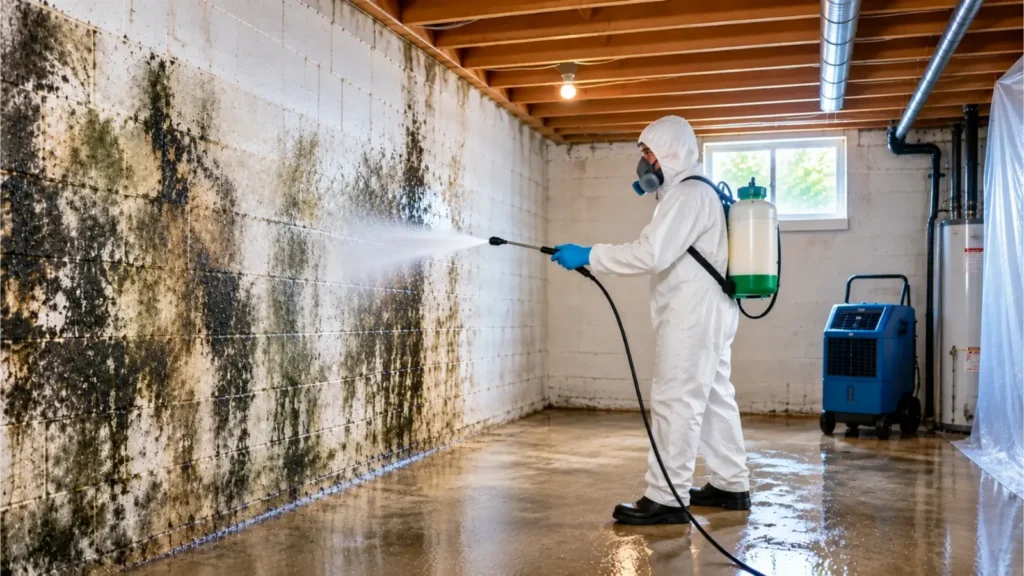
Mold Removal • Inwood, NY
Mold Removal in Inwood, NY
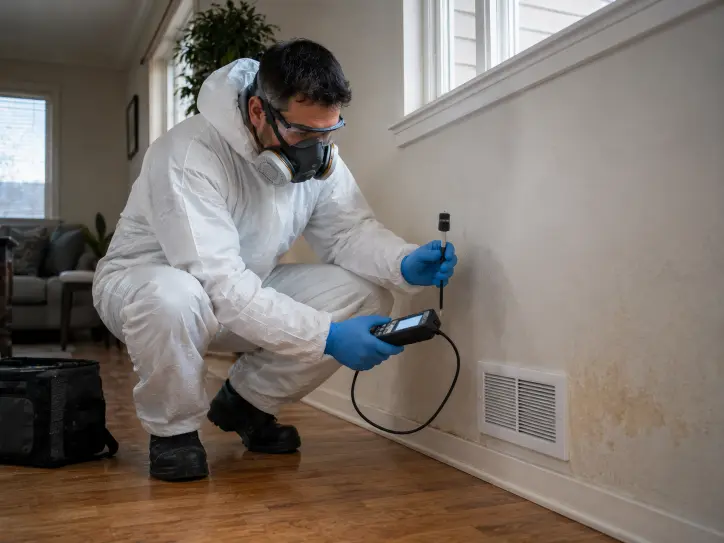
Suspect mold after a leak, flooding, or a musty smell in your basement? Call now for mold help from a team serving Inwood, from Jamaica Bay to the Five Towns.
Inwood & Five Towns
Emergency help when available
Local service information
What To Do Right Now
Do not wait for visible mold to spread.
Mold can begin growing within 24 to 48 hours under favorable moisture and humidity conditions. If you can see mold, smell it, or just had a leak or flood, do not wait to see how much it spreads.
Call now and describe what happened. The appropriate next step can be discussed before anything is scheduled.
What You Can Expect
A clear process and locally relevant information.
Local knowledge
Inwood and the Five Towns, not a generic template built for another state.
Distinct steps
Mold assessment and remediation treated as distinct steps, consistent with New York’s licensing framework.
Documented scope
A written scope of work before removal when provided by the actual service operator.
Moisture source
Focus on identifying the moisture source, not only surface cleanup.
Verification
Clearance or post-remediation verification when appropriate and provided by the operator.
Fast response
Same day response when available.
Services
Mold removal and remediation services
Explore the type of help you need.
Areas We Serve
Inwood and nearby Five Towns communities
Remediation Process
Our mold remediation process
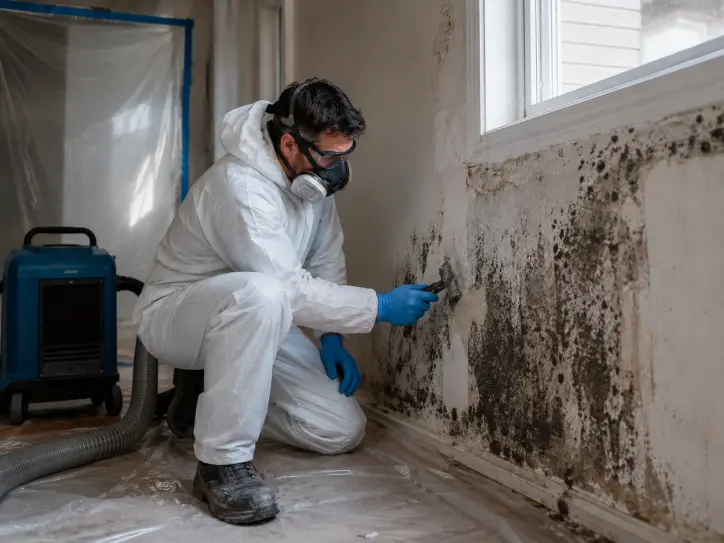
- Consultation. Discuss whether professional remediation may be needed.
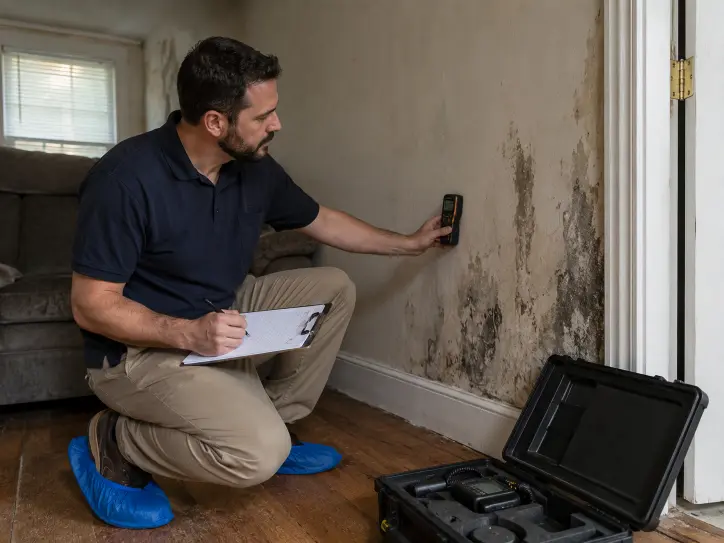
- Assessment. Visual and moisture investigation, with sampling where appropriate.
- Written scope. What will be done and what is included.
- Containment. Limit spread to unaffected areas during work.
- Removal. Remove contaminated material when required.
- Treatment. Treat remaining structure with an appropriate product when applicable.
- Post-remediation verification or clearance testing. When appropriate, confirm completion according to the agreed scope.
Mold Removal vs. Remediation
What is the difference?
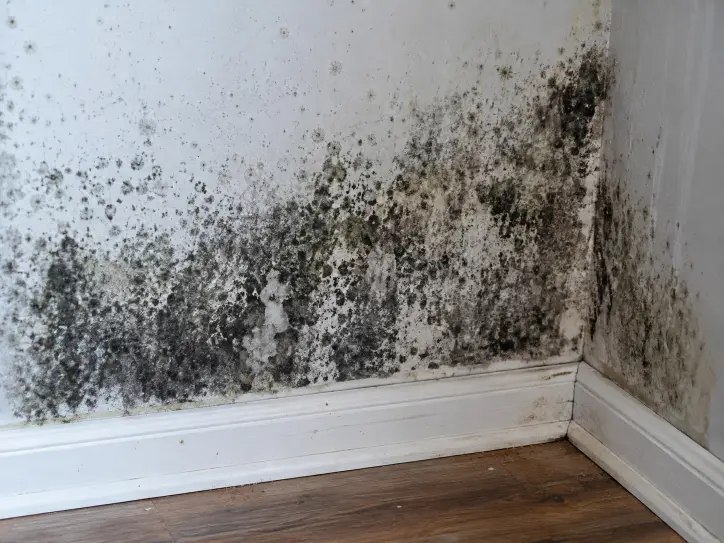
The terms are often used interchangeably, but mold removal usually refers to physically clearing visible mold. Mold remediation is the broader process of investigating the moisture source, assessing the affected area, containing work when needed, removing contaminated material, treating remaining surfaces as appropriate, and verifying completion when applicable.
When comparing quotes, ask whether moisture source correction and follow-up verification are included in the scope, rather than assuming visible cleanup alone addresses the underlying problem.
Common Mold Species
Commonly encountered indoor molds
Color alone does not reliably identify mold species. Professional assessment and, where appropriate, laboratory analysis are more useful than visual guesses.
Cladosporium
A common indoor and outdoor mold that may appear olive green to dark and can grow on fabric, carpet, and wood.
Penicillium
Often blue or green and commonly associated with water-damaged materials.
Aspergillus
A broad genus of common indoor molds with appearances that vary by species and environment.
Stachybotrys
Often associated with the consumer term “black mold” and prolonged moisture on cellulose-rich materials.
Why Inwood
Why mold and moisture problems can affect Inwood homes
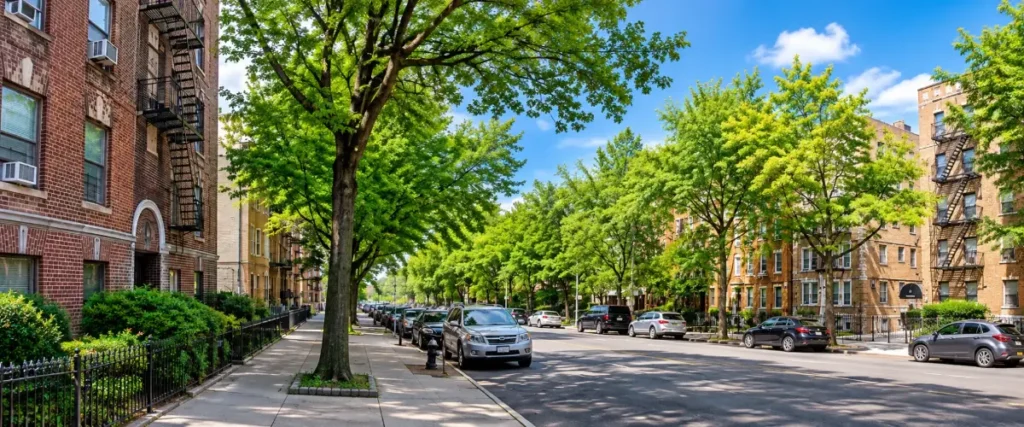
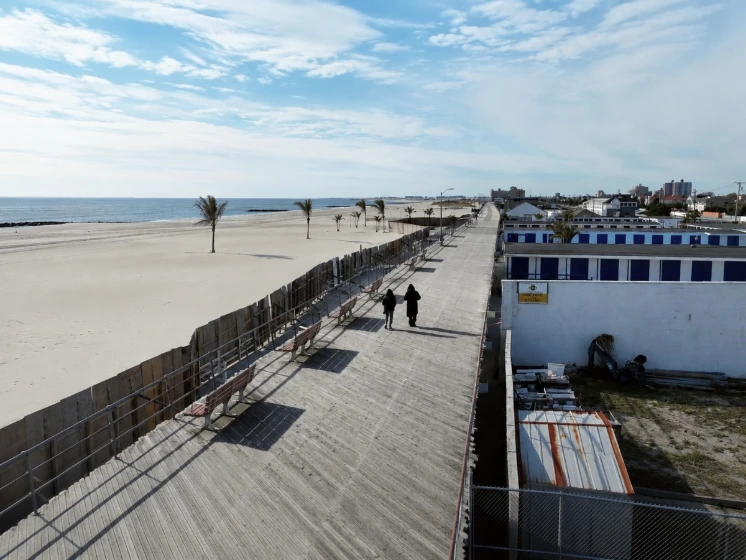
Inwood sits near Jamaica Bay in the Town of Hempstead. Coastal weather, flooding history, indoor humidity, plumbing failures, drainage issues, and moisture in older basements can all contribute to conditions that support mold growth.
Sections closest to the bay can face flood exposure, while homes farther inland can still experience leaks, storm-related water intrusion, humidity, or plumbing failures. Basements and concealed wall areas can retain moisture without obvious surface signs.
Signs of Hidden Mold
What homeowners should watch for
- A persistent musty or earthy smell.
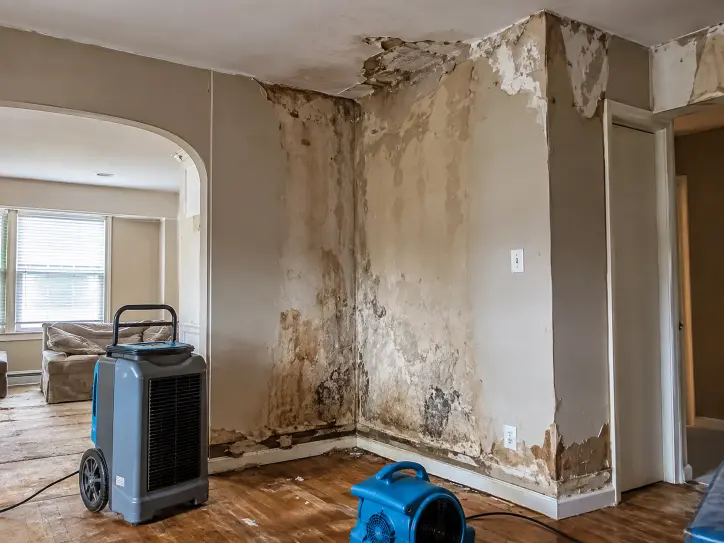
- Dark spots or fuzzy growth on walls and ceilings.
- Peeling, bubbling, or discolored paint or wallpaper.
- Warped or soft drywall, flooring, or baseboards.
- Regular condensation on windows or pipes.
- Symptoms that may improve away from the building should be discussed with a healthcare professional.
- Areas with past water damage that were never properly dried.
If you suspect a moisture problem after a leak or flood, call now rather than waiting for visible growth.
Emergency Mold Help
Recent flooding or a burst pipe?
Water damage can create conditions that support mold growth within a day or two. If your basement got wet recently, do not wait for visible mold before taking action.
What Happens When You Call
A straightforward next-step process
1
Tell us what happened
Leak, flooding, visible mold, or a musty smell.
2
Discuss next steps
Determine the appropriate response.
3
Assessment
Inspection and sampling where appropriate.
4
Written scope
Before removal when applicable.
5
Remediation
If assessment shows it is needed.
6
Verification
Clearance and documentation when appropriate.
7
Follow-up
Completion based on the agreed scope.
Cost
How much does mold removal cost in Inwood?
There is no single flat price. Cost depends on the affected area, location, moisture source, materials that need removal and replacement, containment requirements, and whether testing or verification is included.
National cost references can provide general context, but they are not a local quote. Request pricing based on the actual property and scope of work.
Insurance & Documentation
Mold claims depend on the cause and policy.
Coverage can depend on whether mold followed a covered sudden event, a gradual leak, or flooding, as well as the specific terms and limits of the policy. Confirm coverage directly with your insurance provider.
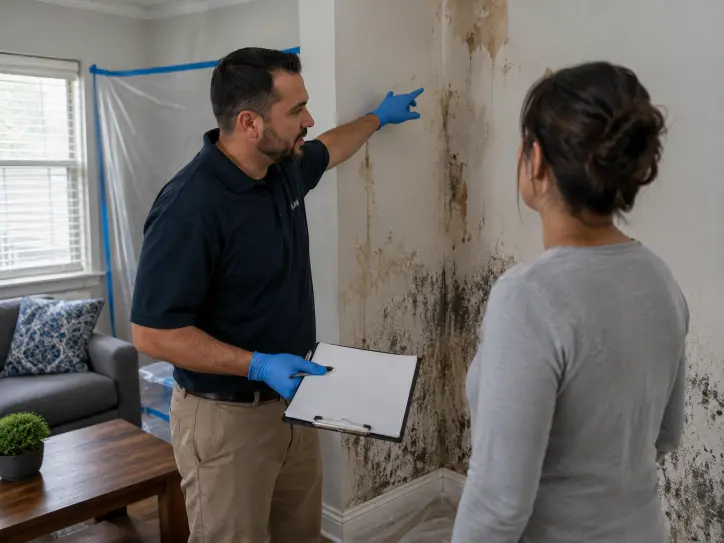
Documentation such as a written scope, applicable testing results, and post-remediation documentation may help support a claim when available.
DIY Mistakes
Mistakes homeowners make handling mold themselves
Scrubbing porous materials
Disturbing mold on drywall or wood without appropriate controls can spread debris.
Painting over mold
Covering a problem can hide it without correcting the moisture source.
Ignoring moisture
Cleaning visible growth without finding the source can allow the problem to return.
Skipping protection
Use appropriate precautions when disturbing moldy materials and follow professional guidance.
Before Hiring
Questions to ask before hiring a mold company
- Can you provide applicable New York State license information?
- Is assessment separate from remediation where required?
- Where are samples analyzed, if sampling is recommended?
- Is post-remediation verification included or separate?
- Will I receive a written scope of work?
- Does the scope address the moisture source as well as visible mold?
- Is the estimate based on an actual assessment of the property?
Indoor Air Quality
Mold and indoor air quality
Suspected mold can affect indoor air quality, and some people may be more sensitive than others. For health concerns related to possible exposure, speak with a qualified healthcare professional.
For general public guidance, consult current information published by the CDC and EPA.
Community Feedback
What local homeowners say
“The musty basement smell finally had a clear next step.”
“After a plumbing leak, we did not know whether the smell meant there was a larger problem behind the finished wall. The process was explained clearly, and we knew what questions to ask before agreeing to any work.”
Inwood homeowner
“Helpful after storm water got into the lower level.”
“We were mainly worried about waiting too long after water came in. The guidance helped us understand the importance of addressing moisture first instead of focusing only on what was visible.”
Five Towns homeowner
“We appreciated having the scope explained before work.”
“The biggest concern was comparing companies and understanding what was actually included. Asking about containment, the moisture source, and verification made the decision much easier.”
Nassau County property owner
Local Scenarios
Examples of the types of mold situations homeowners may face
Basement moisture after a coastal storm
Situation: Water entered a lower-level area after heavy weather, leaving damp baseboards and a persistent odor.
Typical next step: Identify the moisture source, assess affected materials, dry the area, and determine whether controlled remediation is necessary.
Hidden moisture behind a finished wall
Situation: A homeowner noticed bubbling paint and a musty smell months after a slow plumbing leak.
Typical next step: Investigate the affected area and moisture conditions rather than relying on surface appearance alone, then develop a scope if remediation is needed.
Rental property between tenants
Situation: A property owner discovered discoloration and moisture concerns in a bathroom during turnover.
Typical next step: Document the condition, identify the moisture source, assess affected materials, and coordinate any necessary work before the space is returned to service.
Before & After
Real results from remediation work
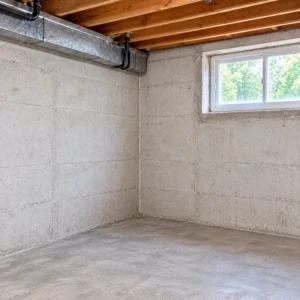
Basement wall, before and after remediation
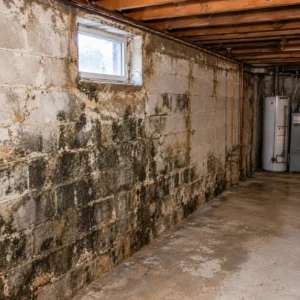
Before
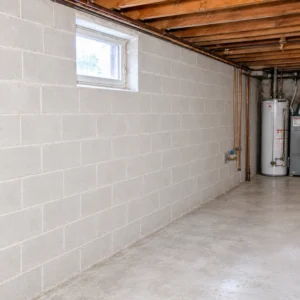
After
Crawl space, before and after encapsulation
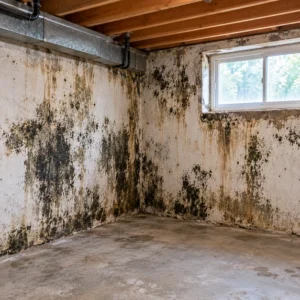
Before
After
Frequently Asked Questions
Common questions about mold removal in Inwood
Is mold common in Inwood, NY homes?
Coastal weather, flooding history, older housing, leaks, humidity, and basement moisture can all contribute to conditions that support mold growth.
What are the signs of mold in my home?
Common signs include musty odors, visible growth, staining, bubbling paint, and evidence of previous or ongoing moisture.
How quickly can mold grow after water damage?
Under favorable moisture and temperature conditions, mold can begin growing within roughly 24 to 48 hours.
Does New York require licensing for mold work?
New York has a licensing framework governing mold assessment and mold remediation. Confirm current licensing requirements and license details directly with the New York State Department of Labor.
What is the difference between inspection and remediation?
Assessment investigates the extent and cause of a moisture or mold problem. Remediation is the controlled work performed to address contamination when remediation is necessary.
Should I test for mold before removal?
Testing may be useful in some situations but is not automatically necessary in every case. The value of sampling depends on the property and circumstances.
Can mold return after remediation?
Yes. If the underlying moisture problem is not corrected, conditions supporting mold can return.
How long does mold remediation take?
Timing depends on the size, location, materials, drying requirements, and scope of work.
Will homeowners insurance cover mold removal?
Coverage depends on the cause of the loss and the specific insurance policy. Confirm directly with the insurer.
Do you serve apartments and commercial properties?
Service availability can include residential, rental, retail, and office properties depending on the actual service operator.
Find Us
Serving Inwood on Google
Need Mold Help?
Call now and explain what happened.
Tell us about the leak, flooding, visible mold, musty smell, basement moisture, or other issue you are experiencing.
About the Service
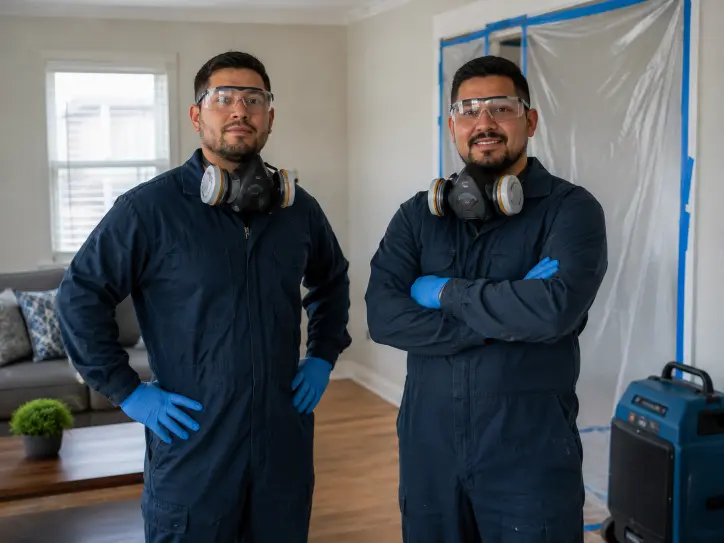
Serving Inwood and the surrounding Five Towns
This page should accurately reflect the actual business arrangement, service operator, licensing, insurance, availability, and services provided. Do not publish claims about licenses, testing, clearance, insurance documentation, or emergency response unless they are true and verifiable for the actual operator handling calls.